
Coliseu Principais atracções
coliseu principais atracções
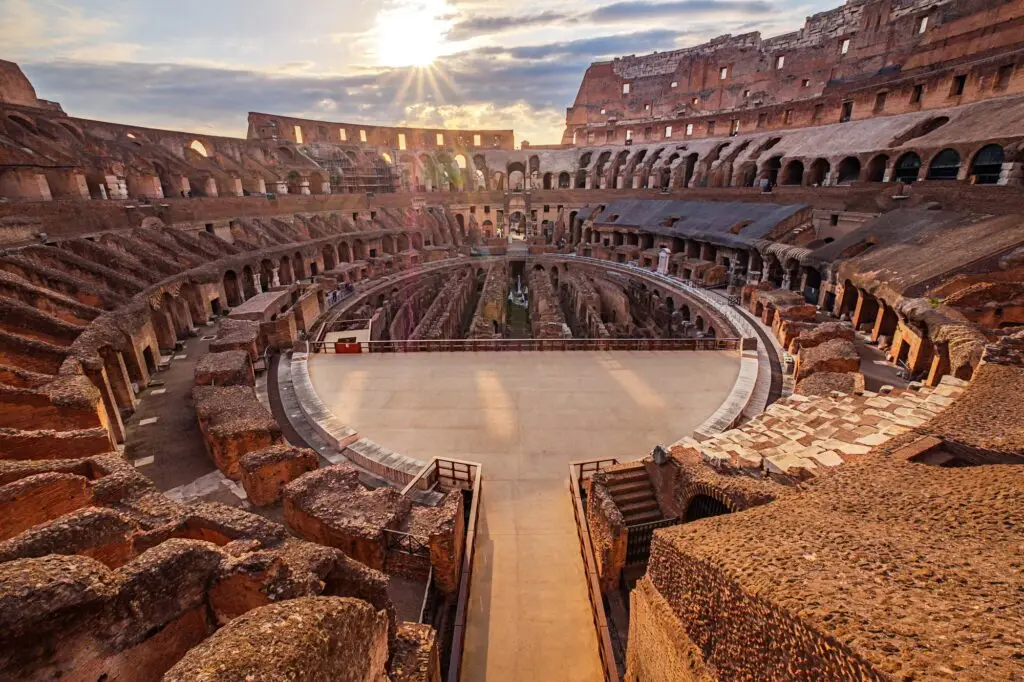
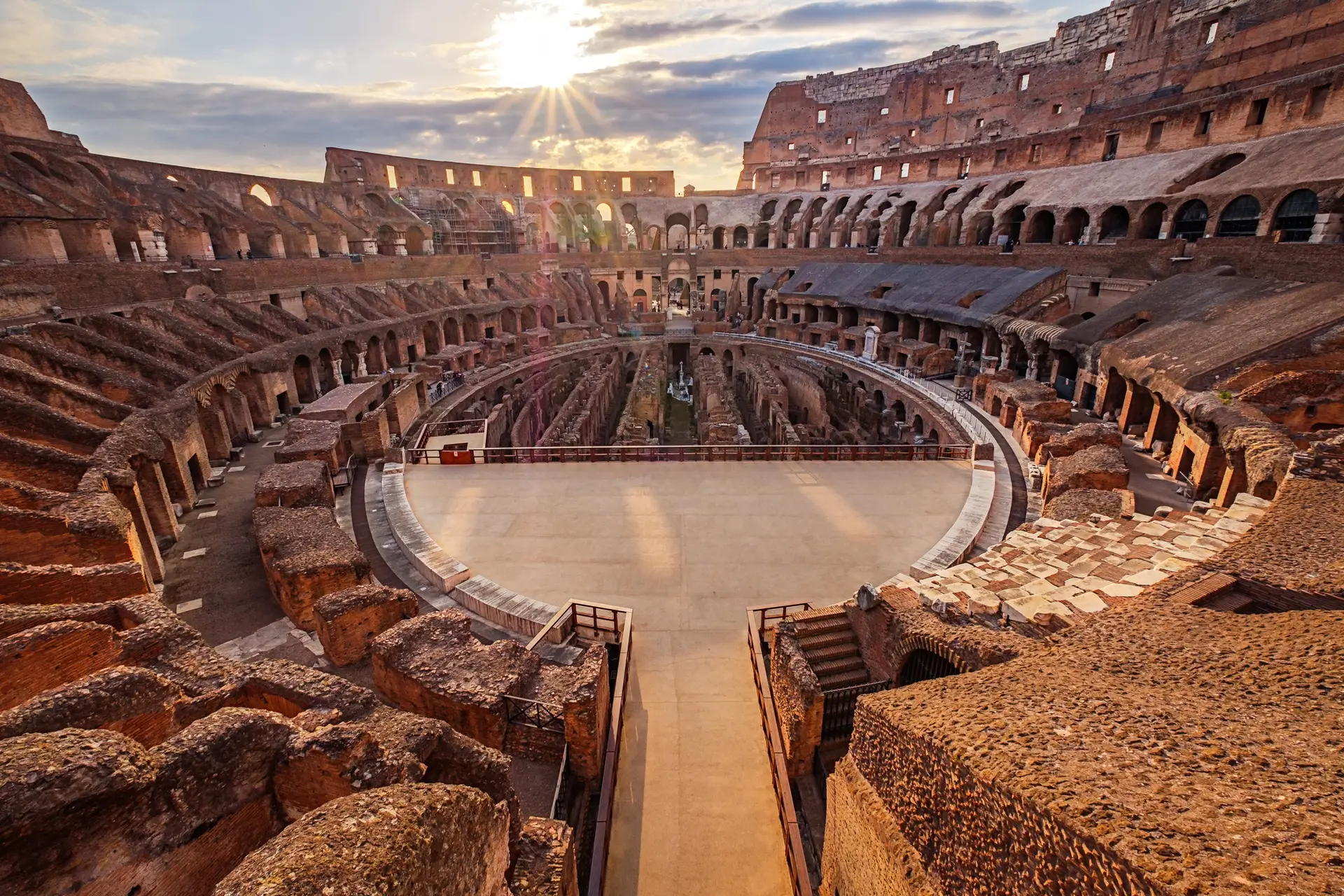
O Coliseu is the most recognizable monument of ancient Roma, a meticulous ellipse of stone and concrete that still explains itself the moment you walk inside. Arches frame the sky, corridors curve with purpose, and every stair and landing channels you toward views that once belonged to tens of thousands. Standing along the inner ring, you’ll see the exposed grid of the hypogeum—the backstage that powered the shows—and understand how engineering and spectacle met in a single, efficient machine. Visiting today is about reading that design with your own steps and letting the space tell you what mattered two millennia ago.
Plan a clear, timed Colosseum visit without stress
A dated ticket keeps the day precise. Arrive a little early for security, follow the signs, and settle into an easy rhythm: walk a full ring for orientation, pause at edges for the arena overview, then climb to a higher vantage for long-city panoramas. The architecture is honest and legible—travertine piers, brick infill, concrete vaults. You don’t need a lecture to grasp the logic: numbered entrances fed radial stairways; seating tiers rose by status; vomitoria moved crowds in and out with speed. The result remains breathtaking not only because it’s grand, but because it still works so clearly.
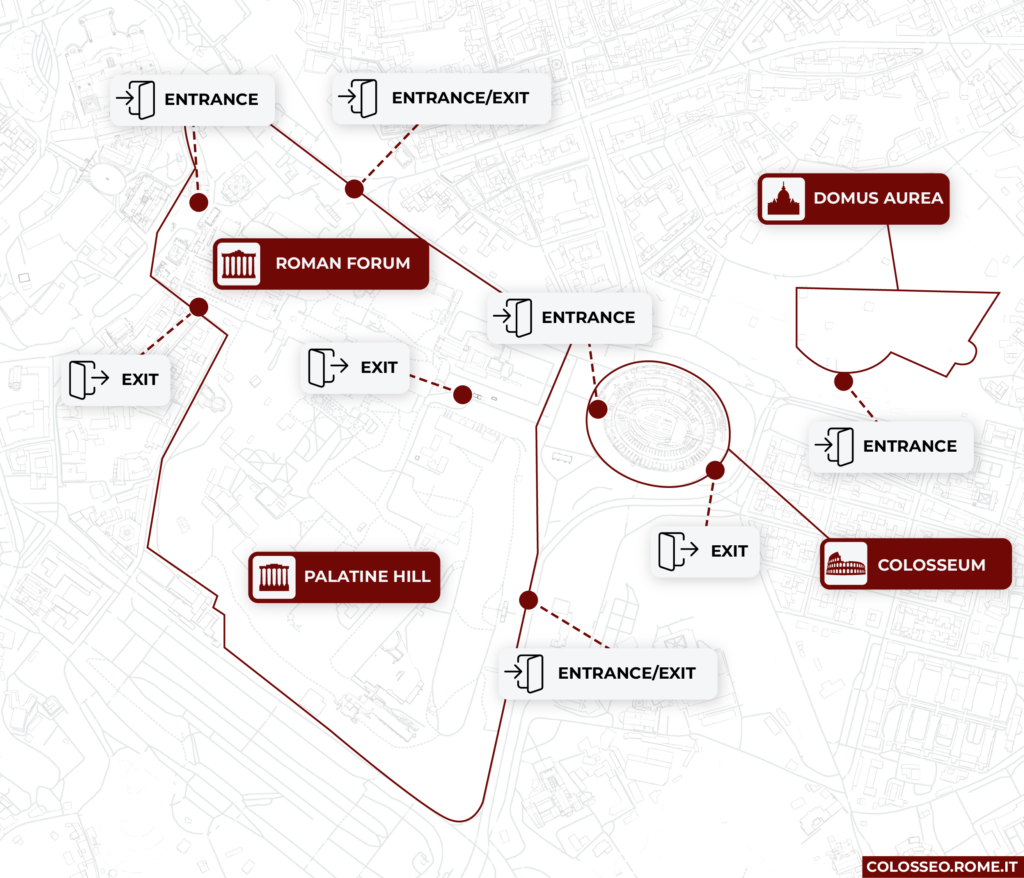
A visit rarely ends with one building. Pairing the amphitheater with the Fórum Romano e Monte Palatino turns a single stop into a narrative. From the Colosseum’s spectacle, you step through the Arco de Constantino and into the civic basin where laws, commerce, and processions set the city’s rhythm; then you climb to the imperial terraces that overlooked it all. In one circuit you trace entertainment, government, and residence—three functions that made ancient Roma feel coherent and alive. Walking between them ties names from maps to places underfoot: the Via Sacra as a spine, basilicas as civic engines, palaces as the city’s balcony.
What your ticket includes
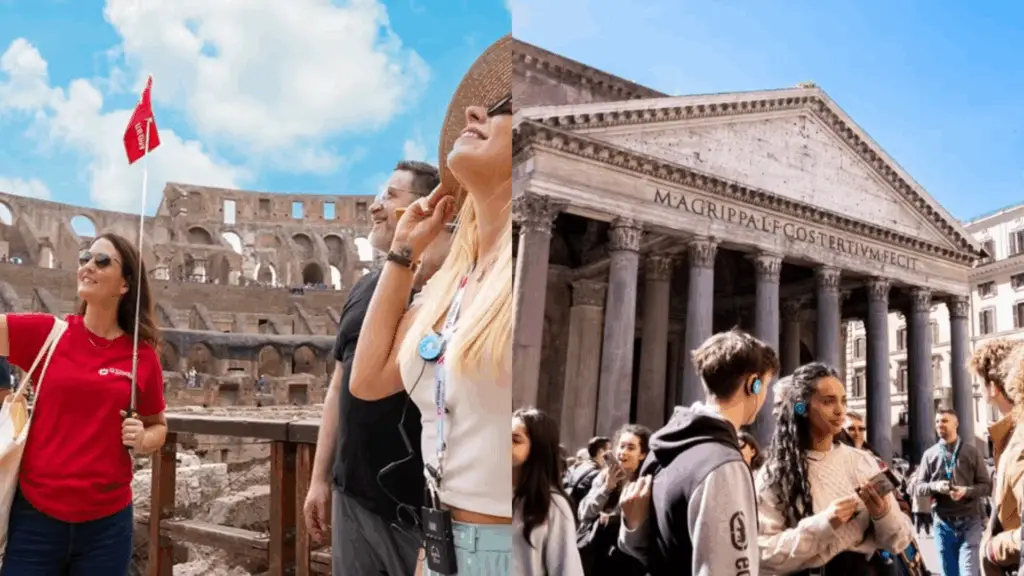
Most options are straightforward. Base entries grant access to designated Colosseum levels; combinations add the Forum and Palatine within a validity window shown on your voucher. Hosted or guided variants introduce a meeting point and commentary, useful if you prefer a set pace or want deeper context at the first viewpoints. Unless explicitly stated, underground hypogeum access is not included; if that’s a priority, choose a product that names “Underground/Hypogeum” and “Arena” directly. Whatever you select, the essentials stay the same: clear wayfinding, time to linger at railings, and a sequence that encourages both sweeping and close-up looks.
Light shapes the experience as much as stone. Mornings carve crisp shadows along vaults; late afternoons warm the travertine and soften contrasts; cloudy days make inscriptions and brick patterns read like diagrams. If you like photography, work with the angles: inside, brace against railings for stability; outside, circle the outer arcades to frame repeating curves. The amphitheater doesn’t need tricks—patience and a moving viewpoint deliver the best images. Bring a light layer in shoulder seasons; upper platforms catch a breeze that makes minutes stretch in comfort.
Logistics are purposeful rather than fussy. Security is orderly, lines are labeled for time slots and access types (stairs or elevators where applicable), and facilities break the circuit into natural pauses. Respect the flows—step aside at railings after your shot, then move to the next opening—and the building rewards you with fresh sightlines every few steps. If you’re adding the Forum and Palatine, plan a couple of short resets: a shaded bench in the Forum for water and notes, then the Palatine overlooks for a final, wide read of the city you’ve just walked.
Context lands hardest when you notice materials. Look for clamp scars where marble casing once locked in place, for mixed brick bonds that record repairs, for tool marks at cut edges. Compare these with the smooth spans of concrete vaults overhead; consider how light shells carry heavy loads. The Colosseum is a lesson as much as a landmark: it shows that durability comes from system and sequence, not just from mass. You’ll leave with the feeling that you didn’t just see a ruin—you understood how it worked.
When you’re ready to match dates, confirm inclusions, and receive mobile tickets with exact entry notes, secure your visit through Tiqets. One booking aligns the amphitheater with the Fórum Romano e Monte Palatino options so you can focus on the experience rather than the logistics.
mapa do coliseu
Coliseu
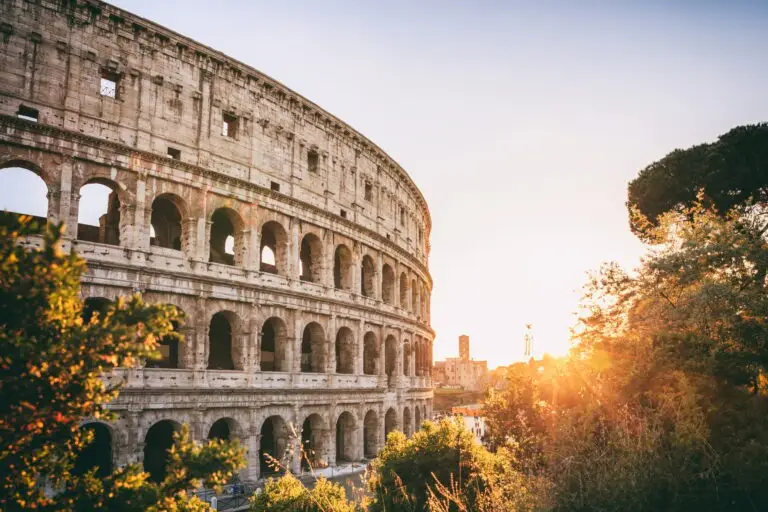
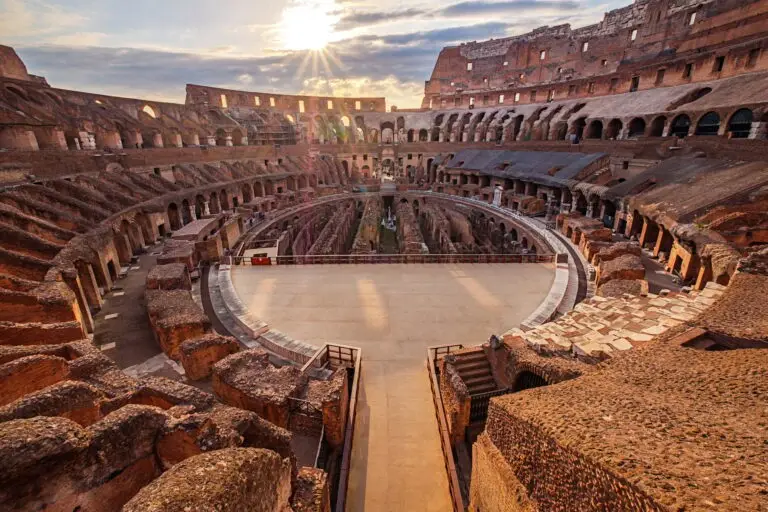
The Colosseum stands as Rome’s iconic landmark — a vast amphitheater where gladiators once battled amid thunderous crowds. Its soaring arches and monumental size continue to inspire amazement. Visiting the Colosseum lets you stroll through history and sense the drama of those ancient spectacles. Book your ticket online to avoid long lines and enter this marvel without delay.
Arena
Standing on the restored arena floor lets visitors view the Colosseum from a gladiator’s viewpoint. Encircled by towering seating tiers, you can picture the cheers and suspense that once echoed through the amphitheater. It’s a memorable experience that brings you face-to-face with history—reserve your arena access online to ensure a spot.
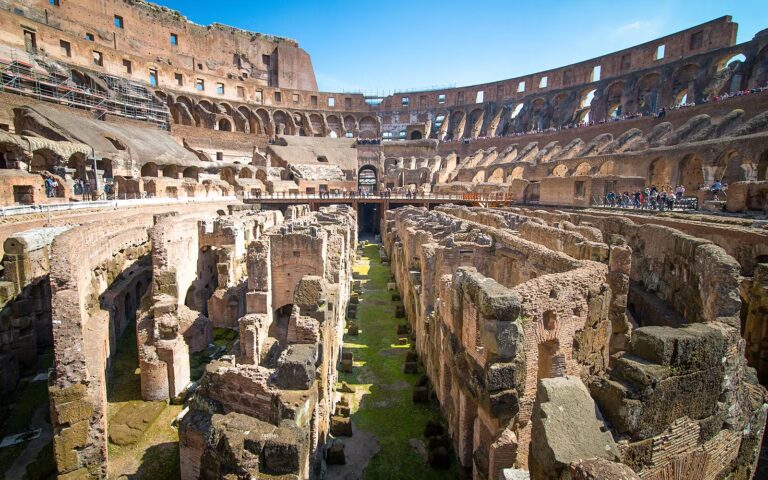
Coliseu subterrâneo
Fórum Romano
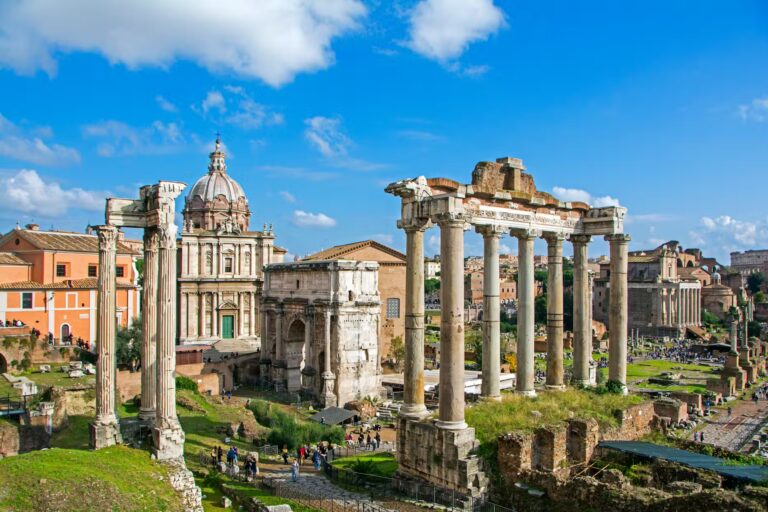
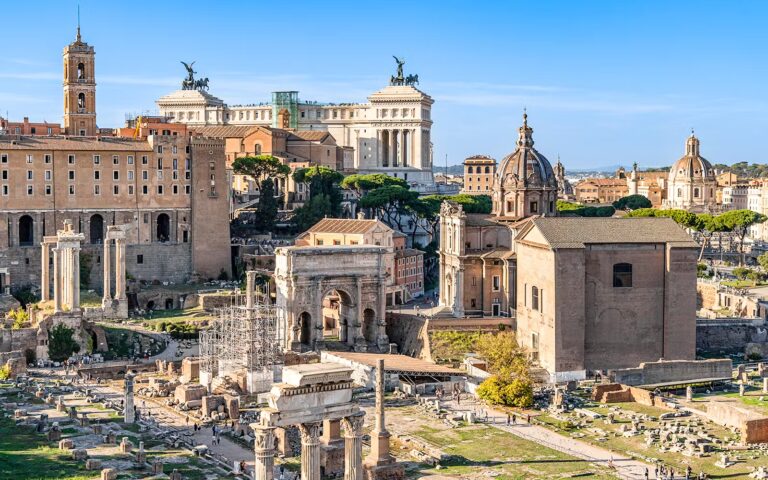
Once the bustling hub of political, religious, and social life in the empire, the Roman Forum now invites you to wander among the ruins of temples, arches, and basilicas that helped shape Roman history. With each step, you uncover the core of ancient civilization. Book your tickets online to explore the Forum at your own pace.
Monte Palatino
Palatine Hill ranks among Rome’s most atmospheric spots, traditionally linked to Romulus and the city’s founding. It later hosted opulent imperial residences offering sweeping views over the Forum and Circus Maximus. A visit to the Palatine immerses you in the splendor of empire. Purchase a combined ticket online for convenient access to this must-see site.
Passes e pacotes
- MELHOR NEGÓCIO





 EN
EN  ES
ES  PT
PT  FR
FR  IT
IT  DE
DE  JA
JA  ZH
ZH  KO
KO  PL
PL